Many individuals experiencing early hearing loss find themselves consistently asking others to repeat themselves during conversations. This isn't just an occasional "pardon me," but a regular interruption, sometimes multiple times within a single exchange. For instance, a person might ask "What did you say?" three or four times during a 5-minute chat about weekend plans. This often occurs even when the speaker is in close proximity, perhaps just 2-3 feet away, and speaking at a normal volume. It becomes particularly noticeable when discussing details like specific names, dates, or numbers, such as "Did you say the meeting is on the 15th or the 25th?"
A common indicator of hearing loss in daily conversation is the frequent misinterpretation of words, especially consonants like 's', 'f', 't', and 'k'. For example, someone might hear "cat" instead of "hat," or "fifteen" instead of "fifty." This often leads to amusing or frustrating misunderstandings in context. In a busy coffee shop, a person might order "latte" but hear "fluffy," causing confusion. This difficulty is amplified in environments with background noise, like restaurants or public transport, where the brain struggles to filter out competing sounds and isolate specific speech frequencies.
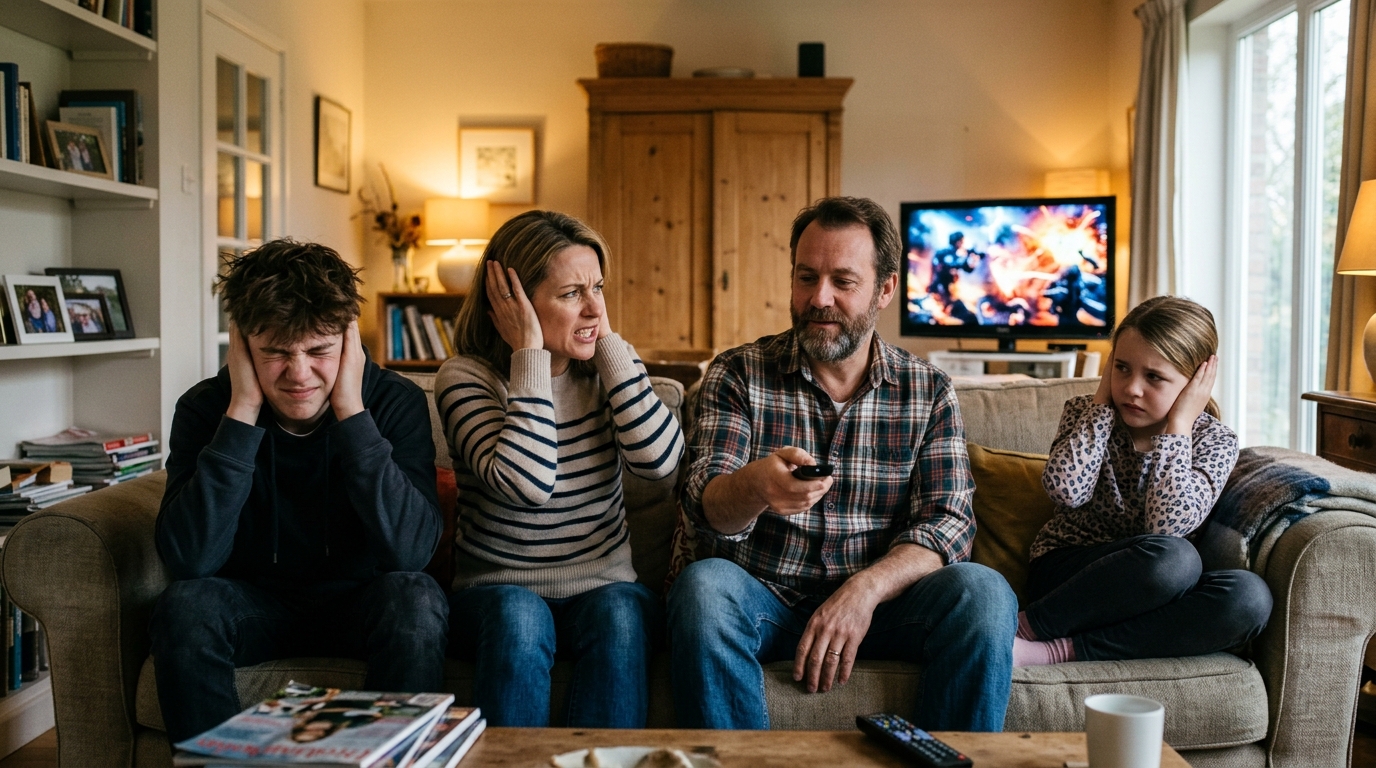
An often-cited sign is the need to significantly increase the volume of the television or radio to a level that is uncomfortable for others in the room. Family members or housemates might consistently complain that the TV is "blaring." For instance, if the average comfortable listening volume for a household is 20-25 on a TV's scale, a person with hearing loss might set it to 40 or even 50. This isn't just for action movies; it applies to news broadcasts, documentaries, and even quiet dramas, indicating a struggle to process speech clarity rather than just overall sound presence.
Individuals experiencing hearing loss often attribute their difficulty understanding speech to others "mumbling" or "speaking too softly." They might frequently interrupt conversations with comments like, "Could you speak up? You're mumbling," or "I can't hear you, you're whispering." This perception can occur even when the speaker is enunciating clearly and speaking at an appropriate volume for the setting. For example, during a phone call, they might repeatedly ask the person on the other end to speak louder, despite the caller using a normal conversational tone. This shift in blame is a common coping mechanism.
Following conversations in a group setting becomes particularly challenging for those with hearing loss. When multiple people are speaking, even one at a time, the rapid shift in voices, tones, and topics can be overwhelming. A person might find themselves completely lost after just a few minutes in a dinner party discussion involving four or five people. They may nod along or offer generic responses, but internally, they are struggling to keep track of who said what and what the current topic is, leading to feelings of isolation even when physically present.
As communication difficulties mount, some individuals with hearing loss begin to avoid social situations where conversation is central. They might decline invitations to family dinners, parties, or even casual meet-ups with friends, preferring solitary activities. For example, someone who previously enjoyed weekly card games with neighbors might suddenly start making excuses to stay home. This avoidance stems from the frustration and embarrassment of constantly asking for repetition, misinterpreting comments, or feeling left out of discussions, leading to a gradual withdrawal from once-cherished social interactions.
A subtle but telling sign of hearing loss is giving inappropriate or delayed responses in conversation. This happens when a person mishears a question or comment and responds based on their incorrect interpretation, or takes an unusually long time to formulate a reply because they are trying to piece together what was said. For instance, if asked "How was your day?" they might respond, "Yes, I think it's going to rain too," indicating they heard something about weather. Or, in a quick-paced discussion, their response might be noticeably out of sync with the immediate flow of dialogue, appearing disconnected.