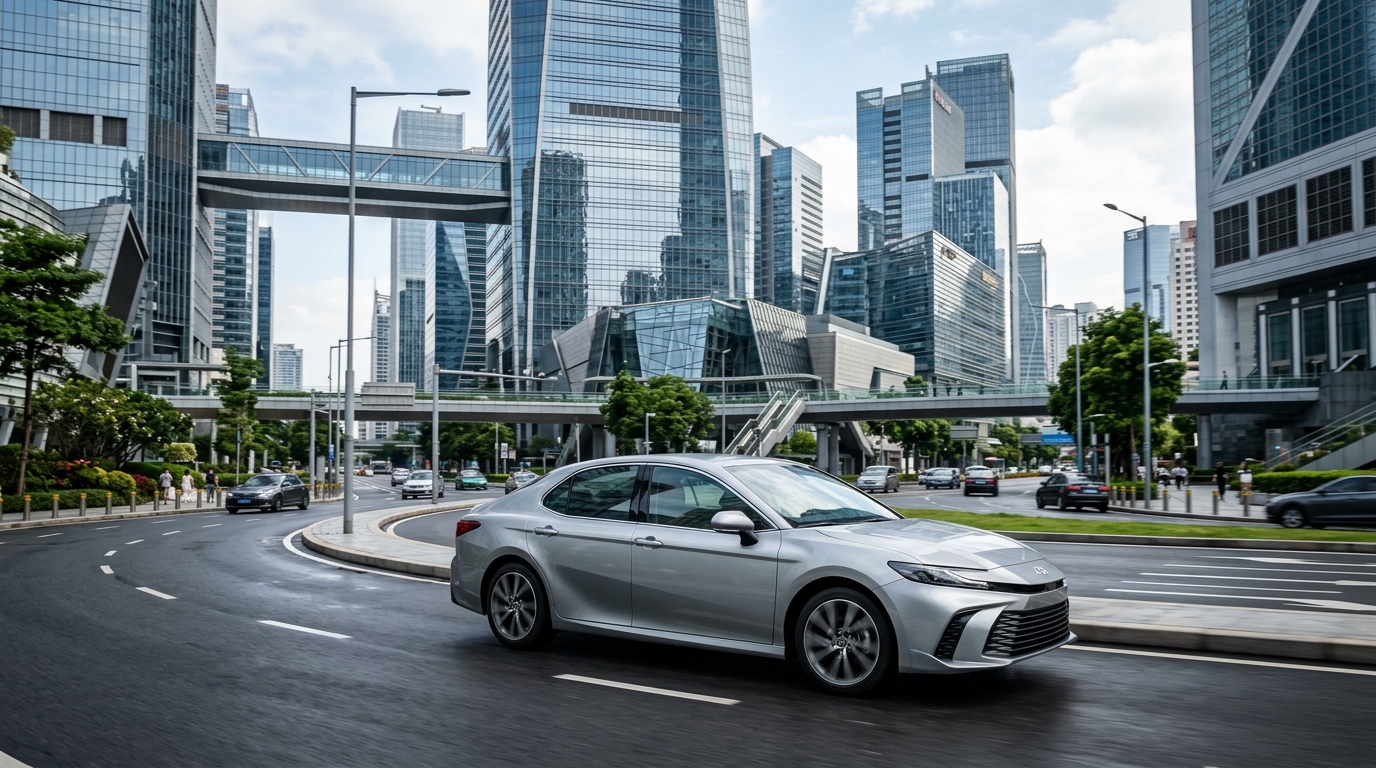
Toyota consistently anchors the top of reliability surveys, a trend expected to firmly continue into 2026. Models like the perennial Camry and versatile RAV4 regularly demonstrate exceptional longevity, often surpassing 200,000 miles with minimal unscheduled maintenance. Their robust powertrains, including the highly efficient hybrid systems, are renowned for their bulletproof construction. J.D. Power often ranks Toyota among the top non-luxury brands for vehicle dependability, attributing this to stringent quality control and a focus on proven technologies rather than cutting-edge, untested innovations. This commitment to engineering excellence ensures low running costs and strong resale values, making 2026 Toyota models a smart, reliable choice.
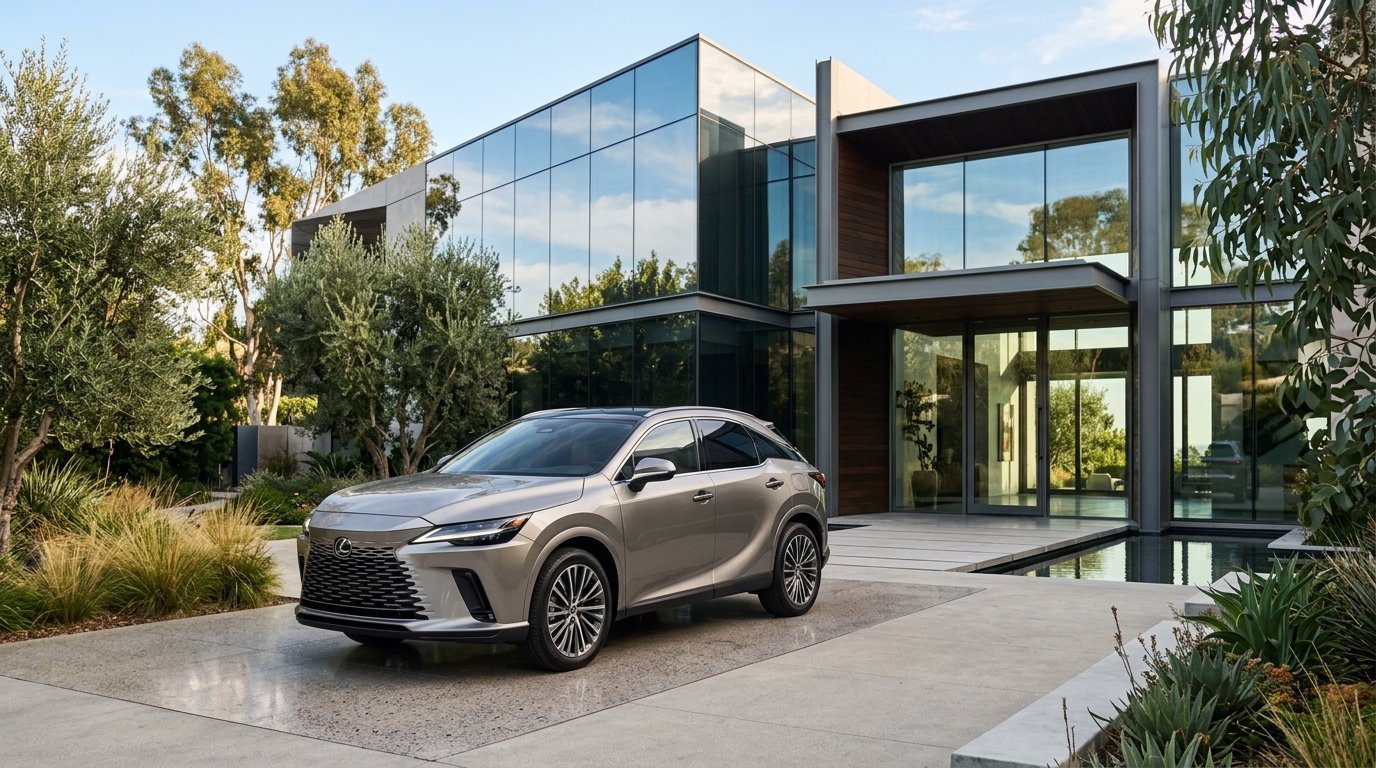
As Toyota's luxury division, Lexus seamlessly blends premium comfort with an almost unmatched reliability record, a reputation that will undoubtedly extend to its 2026 lineup. The Lexus ES sedan and RX SUV, in particular, are frequently cited by Consumer Reports for their outstanding mechanical integrity and low incidence of issues. Owners consistently report high satisfaction with the minimal need for repairs, often enjoying many years of trouble-free driving. This reliability stems from meticulous manufacturing processes, high-quality materials, and conservative engineering, ensuring that even advanced features are built to last. Expect 2026 Lexus models to continue offering a luxurious experience without the typical reliability concerns associated with many premium brands.
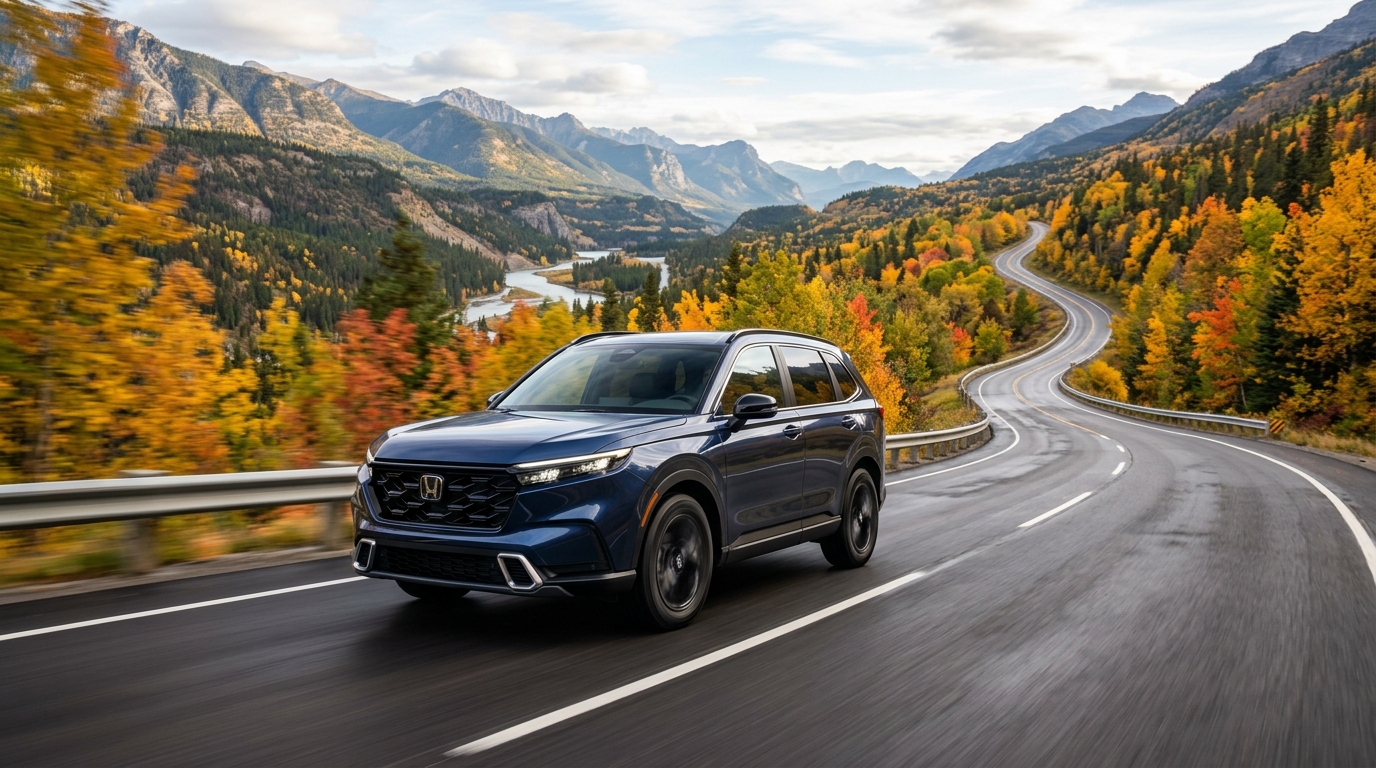
Honda’s commitment to engineering excellence positions its 2026 models as strong contenders for reliability, building on decades of dependable performance. The popular Civic, CR-V, and Accord models are celebrated for their durable engines and robust transmissions, frequently achieving high mileage with proper maintenance. Industry analyses, such as those by RepairPal, often highlight Honda's lower-than-average repair costs and frequency compared to other brands. Their focus on practical, well-tested technology contributes significantly to fewer unexpected issues. This steadfast approach ensures that Honda vehicles continue to offer drivers consistent, worry-free operation, making them a wise long-term investment for the 2026 model year.
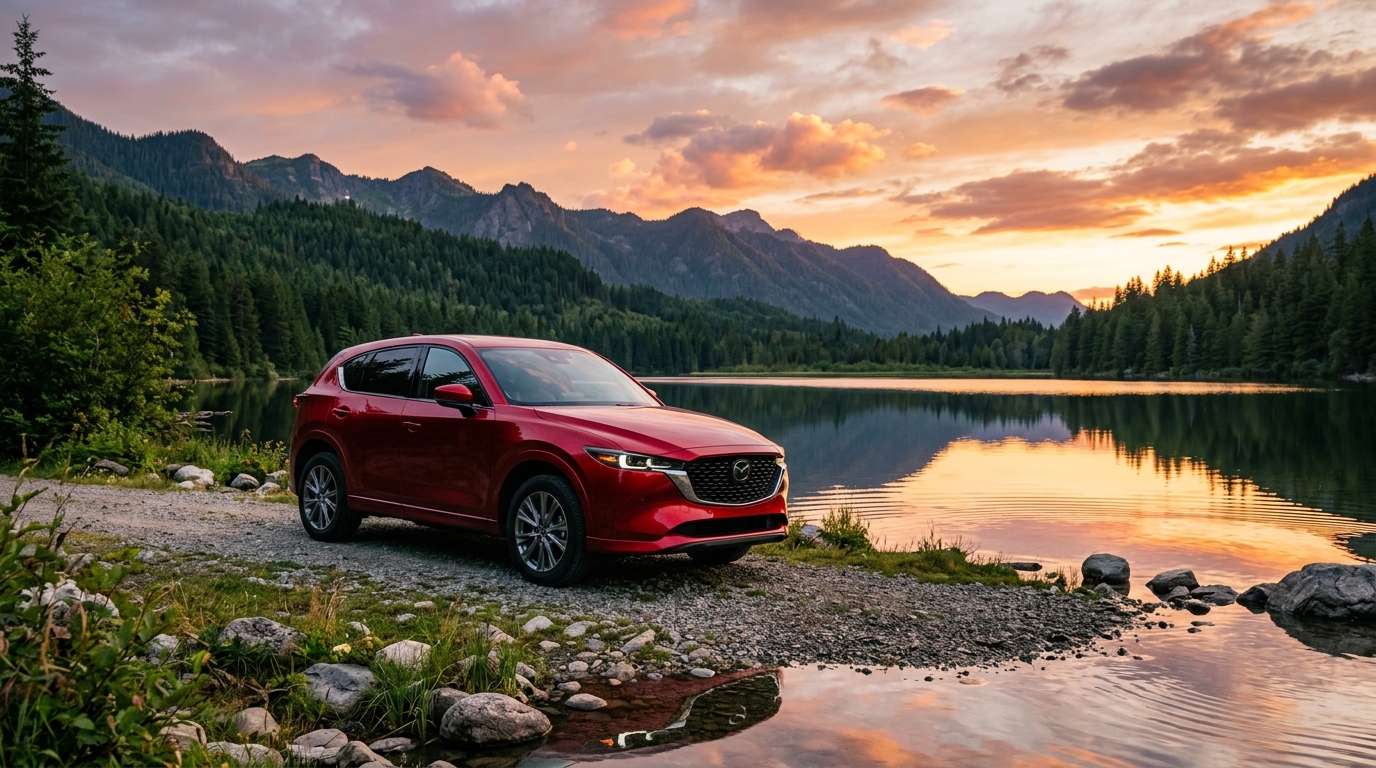
Mazda has steadily climbed reliability rankings in recent years, a testament to its "Skyactiv" engineering philosophy focusing on efficiency and durability, set to impact its 2026 lineup. Models like the Mazda3 and CX-5 consistently receive praise for their well-built interiors and robust mechanical components, experiencing fewer major issues than many competitors. Consumer Reports often places Mazda among the top brands for predicted reliability, citing their commitment to quality control and refined powertrain components. This dedication to precision manufacturing and conservative innovation minimizes potential points of failure, ensuring that 2026 Mazda vehicles will provide owners with a highly engaging driving experience coupled with excellent long-term dependability and lower ownership costs.
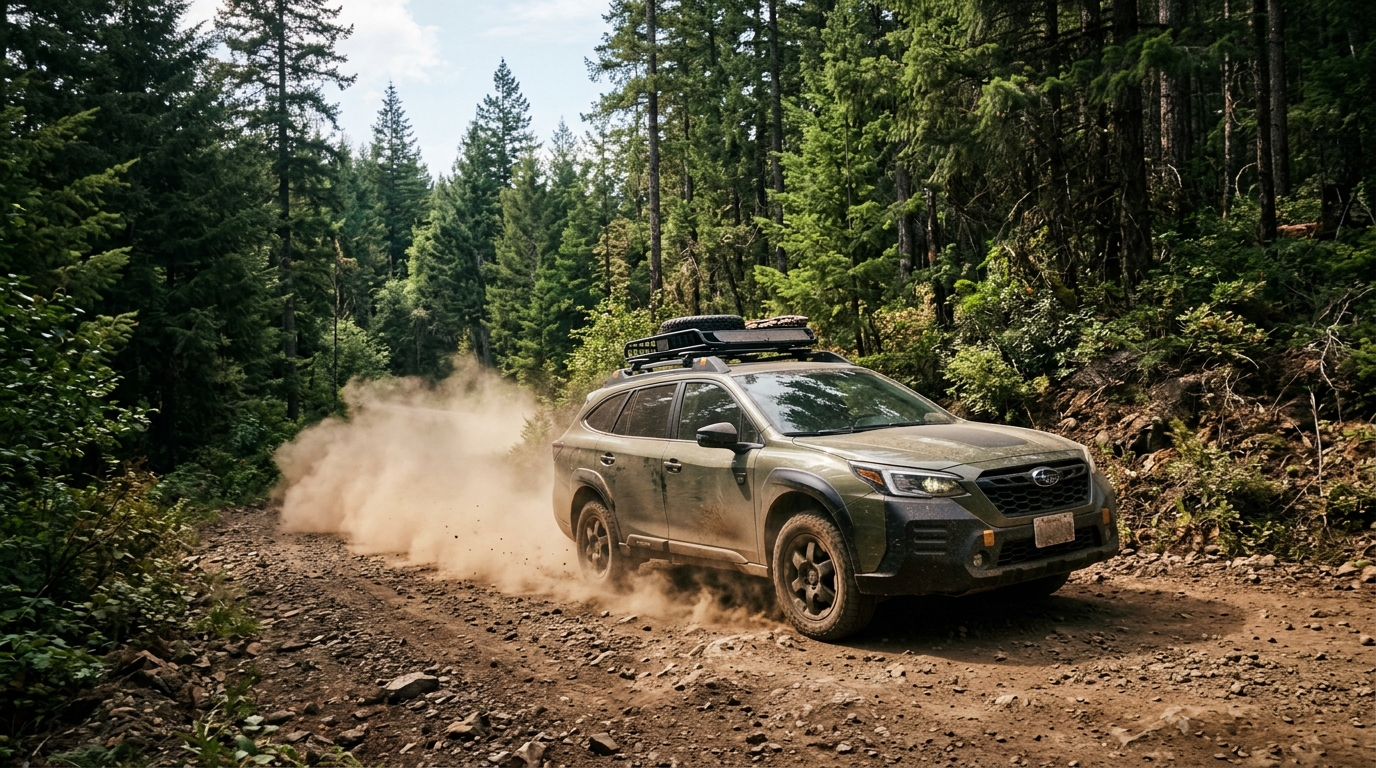
Subaru maintains a loyal following thanks to its reputation for safety and enduring reliability, qualities expected to be prominent in its 2026 vehicles. Known for its standard symmetrical all-wheel drive and horizontally opposed "Boxer" engines, models like the Outback and Forester are engineered for robust performance in diverse conditions. These proven designs contribute to their consistent high scores in longevity and fewer critical malfunctions. Organizations like iSeeCars.com frequently feature Subaru models among the longest-lasting vehicles, with many units exceeding 200,000 miles. This focus on rugged construction and consistent mechanical integrity ensures that 2026 Subaru owners can anticipate reliable, adventurous journeys for years to come.