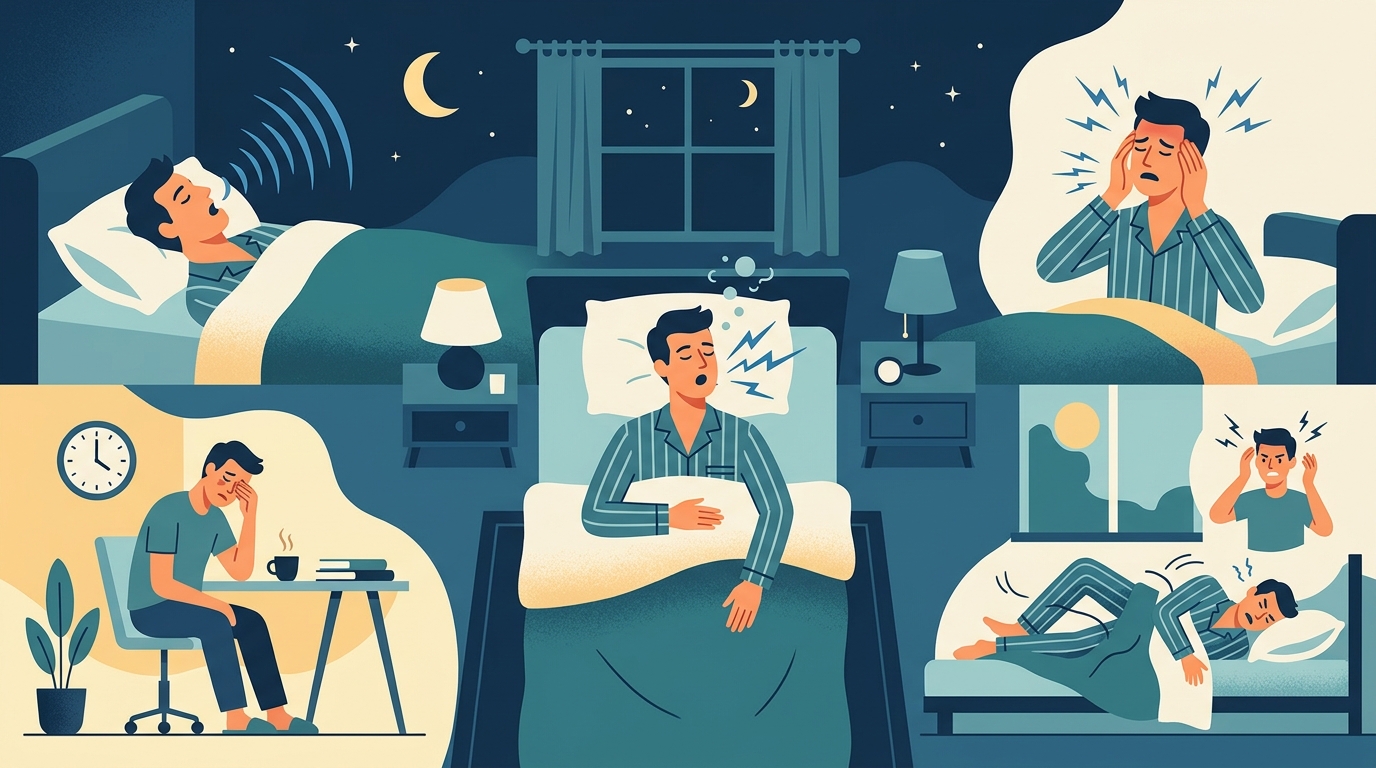
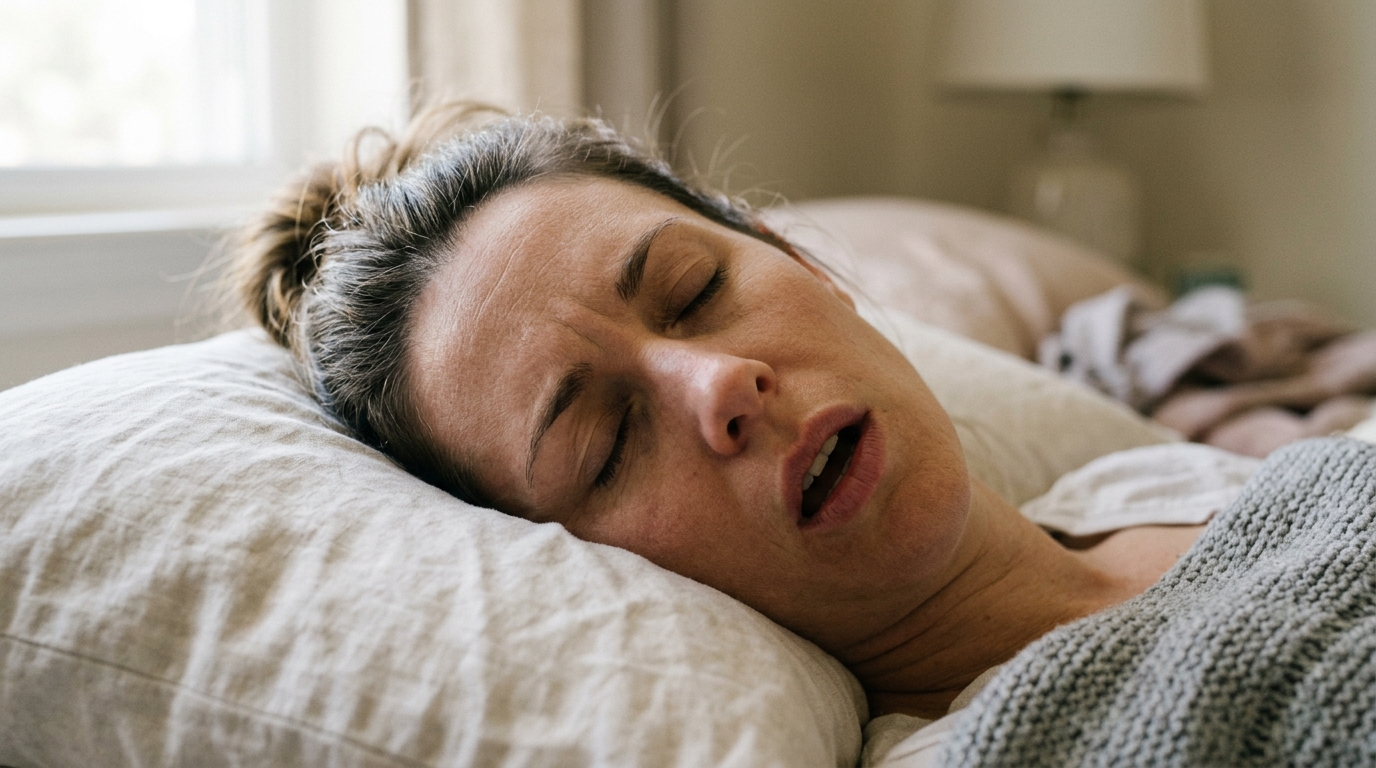
One of the most common and often first-noticed signs of obstructive sleep apnea (OSA) is loud, chronic snoring. Unlike occasional snoring, OSA-related snoring is typically very disruptive, frequently accompanied by pauses, gasps, or choking sounds. These interruptions can last for 10 seconds or more and may occur dozens of times per hour, severely fragmenting sleep quality. A bed partner is usually the primary observer of this symptom, noting the unusual loudness and the distinct pattern of silence followed by a gasp for air, indicating a struggle to breathe during sleep.
Despite spending 7 to 9 hours in bed, individuals with sleep apnea often experience excessive daytime sleepiness and profound fatigue. This isn't just feeling tired; it's an overwhelming urge to sleep during activities that require alertness, such as driving, working, or even conversing. The repeated awakenings throughout the night, often unnoticed by the sleeper, prevent the body from achieving restorative deep sleep and REM sleep stages. This chronic sleep deprivation significantly impairs concentration, memory, and overall cognitive function, impacting daily performance and safety.
A critical indicator of sleep apnea is the direct observation of pauses in breathing during sleep, typically reported by a bed partner or family member. These episodes involve the cessation of airflow for at least 10 seconds, often followed by a loud snort, gasp, or choking sound as the individual's body forces itself to resume breathing. In severe cases, these breathing cessations can occur more than 30 times per hour. These visible interruptions are a direct manifestation of the airway collapsing, a hallmark characteristic of obstructive sleep apnea, and are a strong signal for medical evaluation.
Many individuals with undiagnosed sleep apnea frequently wake up with dull, frontal headaches that tend to subside within 30 minutes to an hour. The primary reason for these morning headaches is the repeated drops in blood oxygen levels (hypoxia) and increased carbon dioxide levels in the blood during apneic episodes. This physiological response can cause blood vessels in the brain to dilate, leading to a headache. These headaches are often persistent, occurring on most mornings, and are a distinct symptom that warrants investigation into sleep quality and breathing patterns.
Chronic sleep deprivation and the constant stress of disrupted sleep, common in sleep apnea, can significantly impact an individual's mood and emotional regulation. Many people with undiagnosed sleep apnea report increased irritability, mood swings, anxiety, and even symptoms of depression. The lack of restorative sleep impairs the brain's ability to process emotions and manage stress effectively. This can lead to decreased patience, difficulty concentrating, and a general feeling of being overwhelmed, affecting personal relationships and overall quality of life.